Best Vintage Eclectic Decorating Style In 2026
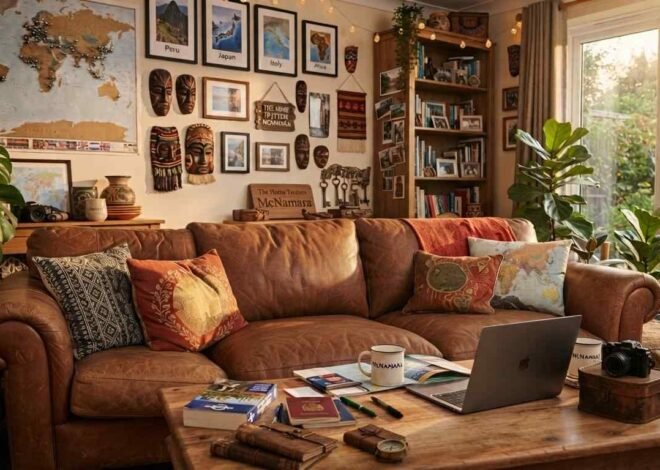
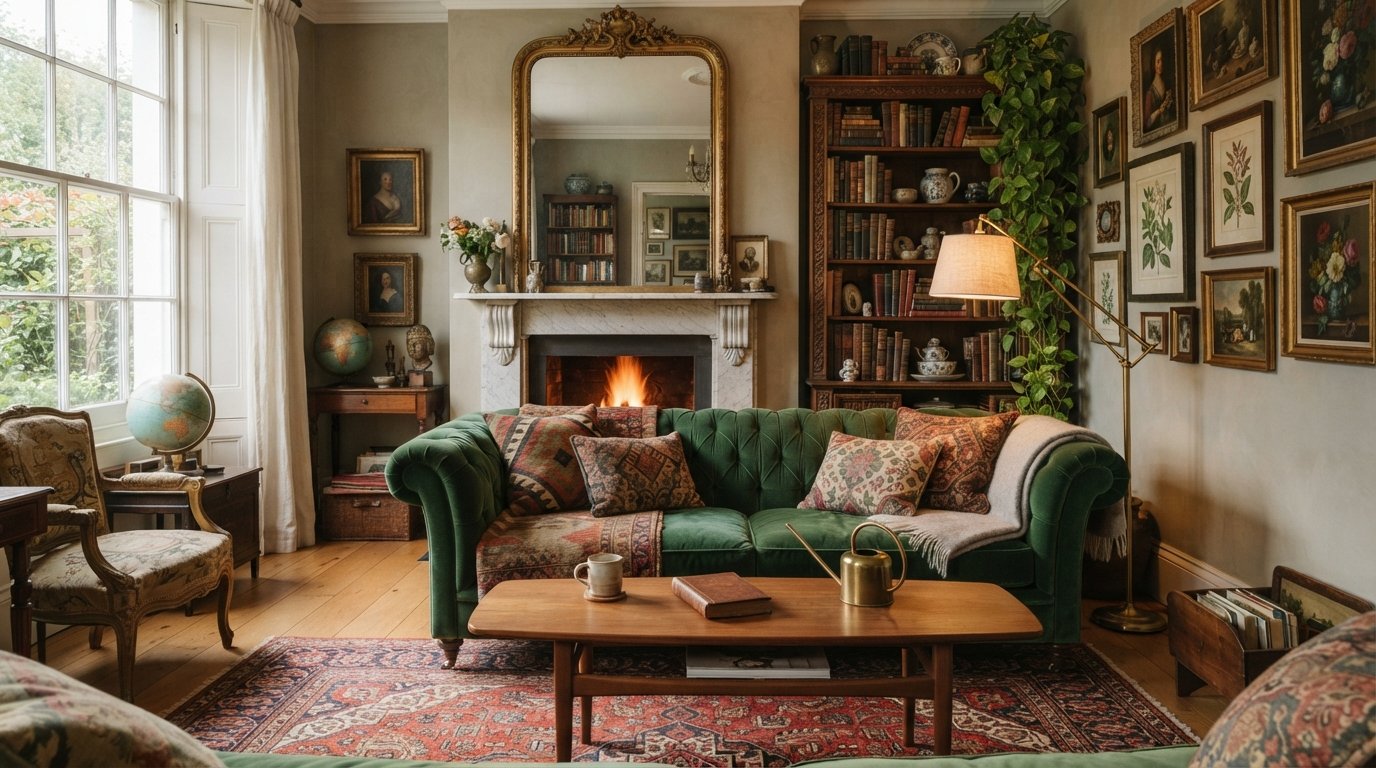
Some of the most interesting rooms I’ve seen don’t follow a strict design style or catalog page. They were collected over time. For example, a Victorian mirror leaning on a plaster wall or a modern linen couch placed over a Turkish rug might sit alongside a 1960s teak credenza with a few flea market/ thrift store art books. The interesting interplay of new and old is worn and polished that vintage eclectic decorating style leans into.
As someone who has designed a lot of homes based on antique, thrifted, and eclectic styles, I can say that the style is far more forgiving and personal than many other decorating styles or trends. Vintage eclectic decorating style shows that decorating is more about what you have collected with time as opposed to what you can spend.
You can think of vintage eclectic decorating style as a layering of pieces from many different time periods and styles that are comfortable and complimented with your personal history and memories.
In this book I will teach you each aspect of the style; from the principles to mixing patterns to budgeting to the mistakes I see done the most to the history of vintage eclectic designing. I will teach you the most important thing about designing a vintage eclectic home, how to achieve the look you want for a vintage eclectic home that is truly yours.
Vintage Eclectic Decorating Style
Vintage Eclectic decorating style is the ability to create a functional space by blending Victorian era, Art Deco, mid-century vintage design, and even 1970s retro designs. Nothing in a room needs to be the same. As long as color, size, material, or sensation helps relate each other, you are free to mix at will.
Think more along the lines of curating than decorating. A vintage eclectic home tells you everything there is to know about the people that live there. Brass candlesticks handed down from grandma, a rattan chair found at a flea market, an abstract print from a gallery sale; a vintage eclectic home is filled with a collection with a history, rather than a showroom put together in a single day.
Eclectic Style Interior Design
The answer to what is eclectic style interior design, is the art of combining traditional styles of decor, modern, bohemian, or industrial and achieving unity through a finite color palette, repetition of building materials, and a balanced room scale. You’ll never see a truly eclectic style of design as a random collection of disparate things.
What Is Vintage Style Interior Design
Vintage style interior design can best be described as decor that uses pieces spanning decades; pieces made approximately 20 to 100 years ago as modern, retro home decor and furniture, with a inclusion of aged textiles. Vintage style tends to have a sentimental feel. Vintage eclectic style mixes sentimental feelings with modern sensibilities and allows you to include your own sense of humor and personality into the design.
Vintage vs Eclectic Interior Design
| Element | Vintage Style | Eclectic Style | Vintage Eclectic Blend |
|---|---|---|---|
| Time Period | One nostalgic era (20–100 yrs old) | Any era, freely mixed | Multiple vintage eras + modern |
| Furniture | Authentic antique furniture | Mixed styles and materials | Antiques anchored by modern staples |
| Color | Muted, aged, faded tones | Bold, varied, personality-led | Warm base with saturated accents |
| Mood | Nostalgic, old-world charm | Energetic and expressive | Collected, warm, storied |
| Risk | Can feel like a museum | Can feel chaotic | Balanced when edited well |
A Short History of Vintage Eclectic Interiors
Eclecticism is not new. Nineteenth-century European homes mixed Gothic, Rococo, and Orientalist pieces as travel and trade expanded. The Victorians were unapologetic maximalists, layering pattern on pattern long before Instagram gave it a hashtag.
The modern version took shape in the late twentieth century, when designers like Sister Parish and later Jacques Grange proved that inherited antiques could live happily beside contemporary art. The thrifting boom of the 2010s, sustainability concerns, and fatigue with fast furniture pushed vintage home decor back to the center of the conversation — where it firmly remains in 2026.
What makes this history useful today is the lesson buried inside it: eclectic rooms have always been portraits of their owners. The Victorians displayed travel souvenirs; the mid-century collector displayed studio pottery; you might display your grandmother’s tea set beside a record player. The container changes, but the instinct — surrounding yourself with objects that carry meaning — has never gone out of style, which is precisely why this look never truly dates.
Core Principles of Eclectic Design
Every successful eclectic room I have designed obeys a handful of quiet rules. Break them, and the room tips into clutter. Follow them, and you can mix almost anything.
- A unifying thread: repeat one color, wood tone, or metal finish at least three times across the room.
- The 80/20 balance: roughly 80 percent calm, coordinated pieces and 20 percent bold statements.
- Varied heights: mix tall bookcases, mid-height seating, and low tables so the eye travels.
- Negative space: every collection needs breathing room; empty wall is a design tool, not a failure.
- Quality over quantity: one exceptional antique outperforms five mediocre reproductions.
- Personal meaning: at least a third of your objects should carry a story you can actually tell.
Mixing Vintage and Modern Pieces
Vintage eclectic style has an element of contrast around a common element. Most people start here and then freeze. A warm brass or walnut brown brings unity of tone to a carved dresser and a modern lamp.
In client design projects, I keep a simple ratio. I use one strongly vintage piece and match it with one clean-lined modern piece. The modern piece back-reflexively gives the vintage piece a modern flair. An antique soul and a modern spine.
Balance the era with the dimensions of the space. Keep your large anchors simple and comfortable and then play with smaller vintage pieces. It’s much easier to incorporate something small like a stool rather than a large piece like a sofa.
Another useful tool in design is repetition. You can mask a piece that is a design risk (for example gilded chairs) with the repeated use of the same material across the space. For example, designing with a mirror that is gilded and reflective can be taught with the use of a brass tray, a light, or a door knob. When repeating materials, the rule is always: two is a design decision, one is accidental. Focus on this rule to save bold pieces in your design.
Choosing a Color Palette
Color is the invisible glue of collected interiors. Before you buy a single piece, choose a base neutral, two mid-tones, and one or two saturated accents. Then let every purchase answer to that palette. This single decision prevents ninety percent of eclectic-gone-wrong disasters.
Warm neutrals — cream, oat, camel, aged white — flatter vintage furniture far better than stark gallery white, which can make old wood look tired. For accents, look to colors that already exist in aged materials: oxblood leather, verdigris green, mustard velvet, faded indigo.
Vintage Eclectic Color Palette Guide
| Palette | Base | Mid-Tones | Accents | Best For |
|---|---|---|---|---|
| Old-World Warm | Cream / plaster | Camel, walnut | Oxblood, olive | Living rooms, libraries |
| Faded Grandeur | Aged white | Dove gray, blush | Verdigris, gold | Bedrooms, dining rooms |
| Retro Earth | Oat / sand | Terracotta, rust | Mustard, teal | Mid-century vintage mixes |
| Moody Collector | Deep green walls | Walnut, brass | Burgundy, ochre | Dens, small dramatic rooms |
| Coastal Heirloom | Warm white | Faded indigo, rattan | Navy, coral | Kitchens, sunrooms |
A practical test before any purchase: hold the item, or its photo, against your three anchor colors. If it contains at least one of them, it will slot in effortlessly. If it contains none, it needs to be extraordinary enough to become a deliberate exception — and every room can only carry one or two exceptions before the palette collapses.
Furniture Selection for a Vintage Eclectic Home
Furniture carries the story, so shop slowly. Start with what you own — inherited pieces are free character. Then fill gaps deliberately: one great seating piece, one storage piece with age, one conversation starter per room.
When choosing between two finds, weight silhouette over surface. Paint, fabric, and hardware can all be changed for modest money; a clumsy shape cannot. A gracefully proportioned chair in ugly upholstery is a bargain waiting to happen. A perfect finish on a boxy, charmless frame is a full-price disappointment.
Antique and Thrifted Finds
Estate sales, auctions, flea markets, and charity shops are your hunting grounds. Check joints, drawer runners, and smell for must before buying. Solid wood with dovetail joints, even scratched, beats pristine particleboard every time — thrifted home decor with good bones can always be refinished; flimsy construction cannot.
Antique vs Reproduction Furniture
| Factor | Authentic Antique | Quality Reproduction | Verdict |
|---|---|---|---|
| Construction | Dovetails, solid wood, hand-cut details | Machine joinery, veneers common | Antique for longevity |
| Patina | Genuine wear, irreplaceable depth | Applied “distressed” finishes | Antique for character |
| Price | Varies wildly; auctions can be bargains | Predictable retail pricing | Repro for tight timelines |
| Comfort | Often smaller, firmer proportions | Modern ergonomics | Repro for daily-use seating |
| Value Over Time | Holds or appreciates | Depreciates like new furniture | Antique as investment |
Furniture Material Comparison
| Material | Look & Feel | Durability | Best Use in Eclectic Rooms |
|---|---|---|---|
| Solid Walnut / Oak | Warm, grained, ages beautifully | Excellent | Anchor pieces: tables, dressers |
| Rattan / Cane | Light, textural, boho-vintage | Good indoors | Accent chairs, headboards |
| Velvet Upholstery | Rich, saturated, tactile | Moderate | Statement sofas and ottomans |
| Aged Leather | Masculine, patinas with use | Excellent | Club chairs, benches |
| Marble / Stone | Cool, classical contrast | Excellent | Tabletops, mantels, lamps |
| Brass / Bronze | Warm metallic glow | Excellent | Lighting, hardware, mirrors |
Layering Textures and Mixing Patterns
Layering Textures
Texture is what makes layered home styling feel expensive even on a thrift budget. Aim for at least five textures per room: something nubby (wool, boucle), something smooth (marble, lacquer), something soft (velvet, linen), something woven (rattan, jute), and something aged (worn wood, tarnished metal). Run your hand around the room in your mind — if everything feels the same, add contrast.
Pattern Mixing
Pattern mixing follows a scale rule: one large, one medium, one small, all sharing at least one color. A bold floral sofa, a medium-stripe pillow, a small ditsy print lampshade — that trio works. Three large florals fight for attention and lose.
Pattern Mixing Guide
| Pattern Role | Scale | Examples | Where to Use | Rule of Thumb |
|---|---|---|---|---|
| Hero Pattern | Large | Bold floral, oversized ikat | Sofa, curtains, feature wall | Only one per room |
| Supporting | Medium | Stripes, plaids, trellis | Armchairs, large pillows | Shares hero’s palette |
| Accent | Small | Ditsy floral, pin dot, block print | Small pillows, lampshades | Two to three allowed |
| Texture-as-Pattern | Subtle | Herringbone, kilim weave | Rugs, throws | Bridges the other three |
| Solid Anchor | None | Velvet, linen solids | 40–50% of textiles | Gives the eye rest |
Wall Decor, Gallery Walls, and Mirrors
Walls are where vintage eclectic rooms earn their personality. Mix framed oil paintings, botanical prints, black-and-white photography, woven baskets, and small mirrors. Vary frame finishes — gilt, black, raw wood — but repeat each finish at least twice for cohesion.
Gallery Walls
For gallery wall ideas that actually work, lay everything on the floor first. Start with your largest piece slightly off-center, keep five to eight centimeters between frames, and anchor the arrangement around eye level — roughly 145 centimeters to the center of the composition. Odd numbers of pieces almost always hang better than even.
Do not overlook the leaning option either. Oversized art propped on a mantel, credenza, or even the floor feels relaxed and gallery-like, and it lets you rotate pieces without repatching walls. In rental homes, leaning plus one or two removable hooks can carry an entire wall decor scheme.
Rugs, Flooring, and Lighting Ideas
Rugs and Flooring
A worn Persian or Oushak rug is the fastest shortcut to old-world charm. Faded is a feature, not a flaw. Size up: front legs of all major furniture should sit on the rug. On hard floors, layering a small vintage rug over a large jute base adds instant depth for less money than one giant antique.
Lighting Ideas
Skip the single overhead light. Vintage eclectic rooms glow from multiple low sources: a brass floor lamp, a ceramic table lamp with a pleated shade, candlesticks, maybe a rewired flea-market chandelier. Use warm bulbs around 2700K — cool light flattens patina and makes antiques look gray.
Accessories, Plants, Books, and Collectibles
Decorative Accessories
Style accessories in odd-numbered groups of varying height: a tall candlestick, a mid-height vase, a low bowl. Brass, ceramic, and glass mix beautifully. Edit ruthlessly — rotate pieces seasonally instead of displaying everything at once.
Indoor Plants
Greenery keeps heavy antiques from feeling stuffy. Trailing pothos on a bookshelf, a fiddle-leaf fig beside a dark wood cabinet, ferns in aged terracotta or brass planters — plants add life and a fresh color note that no accessory can replicate.
Books and Collectibles
Old books are the cheapest styling tool in existence. Stack them horizontally as pedestals for small objects, arrange them by spine color, or leave them charmingly mismatched. Display collections ,shells, ironstone, cameras — grouped together in one spot for impact rather than scattered thinly around the house.
Mixing Different Design Eras
The safest era pairings share either lines or materials. Mid-century vintage and Danish modern share clean lines, so they blend easily with contemporary pieces. Victorian and Art Deco both love ornament and rich materials, so they pair naturally. The boldest, most rewarding mix — ornate antique with stark modern — works when both pieces are high quality and the palette stays tight.
- Pick a dominant era for about half the room so the mix has a backbone.
- Add a second era in supporting pieces — side tables, mirrors, lighting.
- Use a third era only in small accents: a single Deco lamp, one seventies ceramic.
- Repeat one material — walnut, brass, or marble — across all three eras to tie them together.
Styling Every Room in the Vintage Eclectic Decorating Style
The principles stay constant, but each room asks for a different emphasis. Here is how I approach the four spaces clients ask about most, plus the small-space question that comes up in nearly every city project.
Living Room Inspiration
Anchor an eclectic living room with a comfortable, neutral sofa, then build outward: a vintage rug, two non-matching accent chairs, a mid-century or antique coffee table, and one oversized piece of art or mirror. Layer pillows in your three-pattern formula and finish with a brass floor lamp and stacked art books.
Bedroom Inspiration
Keep bedding simple — white or natural linen — and let vintage do the talking around it: a carved or upholstered antique headboard, deliberately mismatched nightstands unified by lamp style, a faded rug underfoot, and botanical prints or a small gallery wall above the bed.
Dining Room Styling
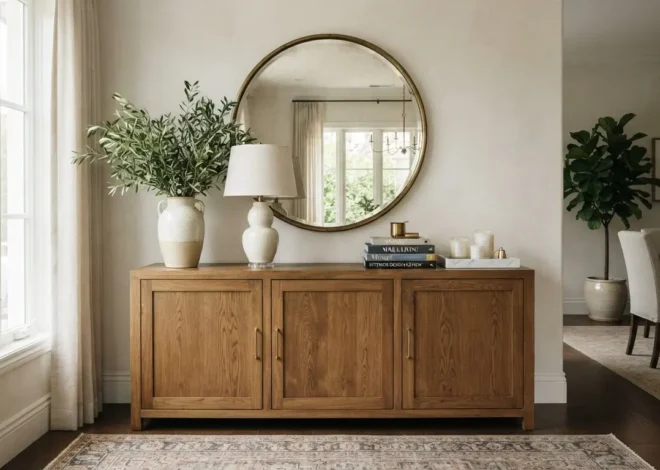
The classic eclectic move: modern table with vintage chairs, or antique table with modern chairs. Never both fighting at once. Add a statement chandelier — rewired antique or sculptural modern — a large mirror to bounce light, and a sideboard styled with candlesticks, ironstone, and a low bowl of fruit.
Kitchen Decor
Kitchens take vintage in small, practical doses: open shelves of mismatched china and glassware, a runner rug with real age, copper pots on display, an old painting propped against the backsplash, and cabinet hardware swapped to unlacquered brass. These touches warm even a builder-grade kitchen.
Small Space Decorating
In small rooms, edit harder, not smaller. One large statement — a big mirror, a bold rug — makes a small space feel intentional, while ten tiny objects make it feel cramped. Choose leggy vintage furniture that shows floor, use vertical wall space for your gallery, and keep the palette to three colors maximum.
Mirrors deserve special mention for small rooms: an antique mirror placed opposite a window doubles your daylight and your sense of space while adding exactly the aged character this style depends on. It is the rare move that is both practical and deeply atmospheric.
Styling Formula for Every Room
| Room | Modern Anchor | Vintage Layer | Statement Piece | Finishing Touch |
|---|---|---|---|---|
| Living Room | Neutral sofa | Persian rug, thrifted chairs | Oversized antique mirror | Brass lamp + art books |
| Bedroom | White linen bedding | Antique headboard, old rug | Botanical gallery wall | Velvet throw, ceramic lamps |
| Dining Room | Simple table OR chairs | The opposite piece, aged | Chandelier | Styled sideboard |
| Kitchen | Clean cabinetry | Runner rug, copper, china | Propped vintage art | Unlacquered brass hardware |
| Small Space | Pale walls, leggy furniture | One aged rug | One large mirror | Three-color palette, edited decor |
Budget-Friendly Vintage Eclectic Ideas
This is genuinely the most budget-friendly high-end look in interior design, because age is the aesthetic. A scratched brass lamp is not damaged — it is patinated. Shop estate sale final days, auction lots nobody bid on, curbside finds, and family attics before you spend a rupee, pound, or dollar at retail.
Timing is half the game. Estate sales discount steeply on their final day; auction houses often sell unsold lots privately afterward; thrift stores restock on predictable weekdays. Learn your local rhythm, visit often, and buy decisively when quality appears — good vintage does not wait for a second visit.
Budget vs Luxury Vintage Eclectic Decor
| Element | Budget Route | Luxury Route | Designer Note |
|---|---|---|---|
| Rug | Faded machine-made or rug pad + layered small vintage | Antique Oushak or Persian | Fading reads the same in photos |
| Art | Thrifted oils, printed public-domain botanicals | Original signed vintage art | Frame quality matters most |
| Seating | Reupholstered thrift chair | Restored antique bergère | Fabric choice does the heavy lifting |
| Lighting | Rewired flea-market lamp | Restored antique chandelier | Warm bulbs equalize everything |
| Storage | Painted secondhand dresser | Georgian or Deco chest | Original hardware adds value |
DIY Vintage Decor Projects
- Reupholster a thrifted chair seat in remnant velvet or block-print fabric — an afternoon project with a screwdriver and staple gun.
- Age new brass hardware by soaking it in a vinegar-and-salt bath, then sealing with wax.
- Frame free public-domain botanical and architectural prints in mismatched thrifted gilt frames.
- Lime-wax a dated orange-pine dresser to mimic aged European oak.
- Sew pillow covers from vintage kilim fragments, old suzanis, or damaged rugs too worn for the floor.
- Turn odd china and silver-plate trays into a wall-mounted collection display.
Expert Decorating Tips
- Buy the thing you cannot stop thinking about. Regret over the walked-away antique lasts years; you can always resell a mistake.
- Photograph rooms in black and white to check contrast and balance — flaws in composition jump out instantly.
- Keep a small notebook (or phone note) with your room measurements and palette swatches for spontaneous flea-market decisions.
- Mix at least two metal finishes per room — brass with iron, chrome with bronze — so nothing looks like a matched set.
- Give every room one piece of humor or oddity: a strange portrait, a quirky lamp. Perfection is the enemy of charm.
- When in doubt, remove three objects. Editing is the most underrated skill in eclectic home decor.
Common Decorating Mistakes to Avoid
- Buying everything at once — collected interiors need time; a room finished in a weekend looks like it.
- Skipping the unifying palette, so the mix reads as clutter instead of curation.
- Matching too much — a full matching bedroom set kills the eclectic effect instantly.
- Hanging art too high; keep centers near eye level, around 145 centimeters.
- Using undersized rugs that float in the middle of the room like postage stamps.
- Displaying every collectible you own at once instead of rotating seasonally.
- Ignoring comfort — a beautiful room nobody sits in is a failed room.
- Cool white lighting that turns warm patina gray and lifeless.
Vintage Eclectic Trends 2026
This year, the style is deepening rather than changing. Rich, moody wall colors — bottle green, oxblood, aged plum — are replacing safe greige as backdrops for antiques. Bookshelf wealth is real: dense, personal shelving styled with books, ceramics, and art is the most requested feature in my current projects.
Expect more seventies revival pieces — burl wood, chrome, mushroom lamps — folded into traditional mixes, more colorful home interiors built on maximalist home decor foundations, and continued momentum for bohemian vintage decor softened with quiet, tailored upholstery. Sustainability keeps driving it all: the greenest furniture remains the piece that already exists.
A word of designer caution about trends, though: adopt them in accessories, not architecture. Paint colors, pillows, lamps, and small ceramics can chase the moment cheaply and reversibly. Sofas, rugs, and built-ins should answer to your palette and your life, not this year’s mood board. Rooms styled this way stay current for a decade rather than a season.
Final Thoughts
The vintage eclectic decorating style is less a set of rules than a way of paying attention — to craftsmanship, to color, to the objects that genuinely mean something to you. Hold onto the fundamentals: a disciplined palette, the 80/20 balance, mixed textures, generous editing. Then let your own history fill in the rest.
Start with one room. Shop slowly. Buy the piece with the story. In six months you will have a home that no catalog could ever sell you — layered, warm, and entirely yours. That is the whole point, and honestly, it is the most timeless decorating idea there is.
FAQs
Q1. What is the difference between vintage and eclectic decorating styles?
Vintage style focuses on authentic pieces from past eras, usually twenty to one hundred years old, and leans nostalgic in mood. Eclectic style mixes multiple design styles and periods, including modern, unified by color and proportion. Vintage eclectic combines both: genuine older pieces mixed across eras with contemporary comfort, creating a collected-over-time look.
Q2. How do I start decorating in the vintage eclectic style on a budget?
Start with a strict color palette of one neutral, two mid-tones, and one or two accents. Shop your own home and family first, then estate sales, thrift stores, and auctions for solid-wood furniture and aged textiles. Add one piece at a time, prioritizing rugs, lamps, and art, which deliver the biggest visual impact per dollar.
Q3. Can I mix mid-century modern furniture with antique pieces?
Absolutely — it is one of the most successful era pairings in eclectic design. Mid-century vintage pieces have clean lines that give ornate antiques breathing room, while antiques add depth that mid-century rooms often lack. Tie them together by repeating a shared wood tone or metal finish, and keep the color palette consistent across both.
Q4. How many patterns can I mix in one eclectic room?
Three to four intentional patterns is the sweet spot: one large-scale hero, one medium supporting pattern, and one or two small accents, all sharing at least one color. Keep roughly half your textiles solid so the eye has places to rest. Textural weaves like herringbone or kilim count as a subtle bridge between bolder prints.