Dark Japandi Kitchen Ideas: Cabinets, Counters & Lighting
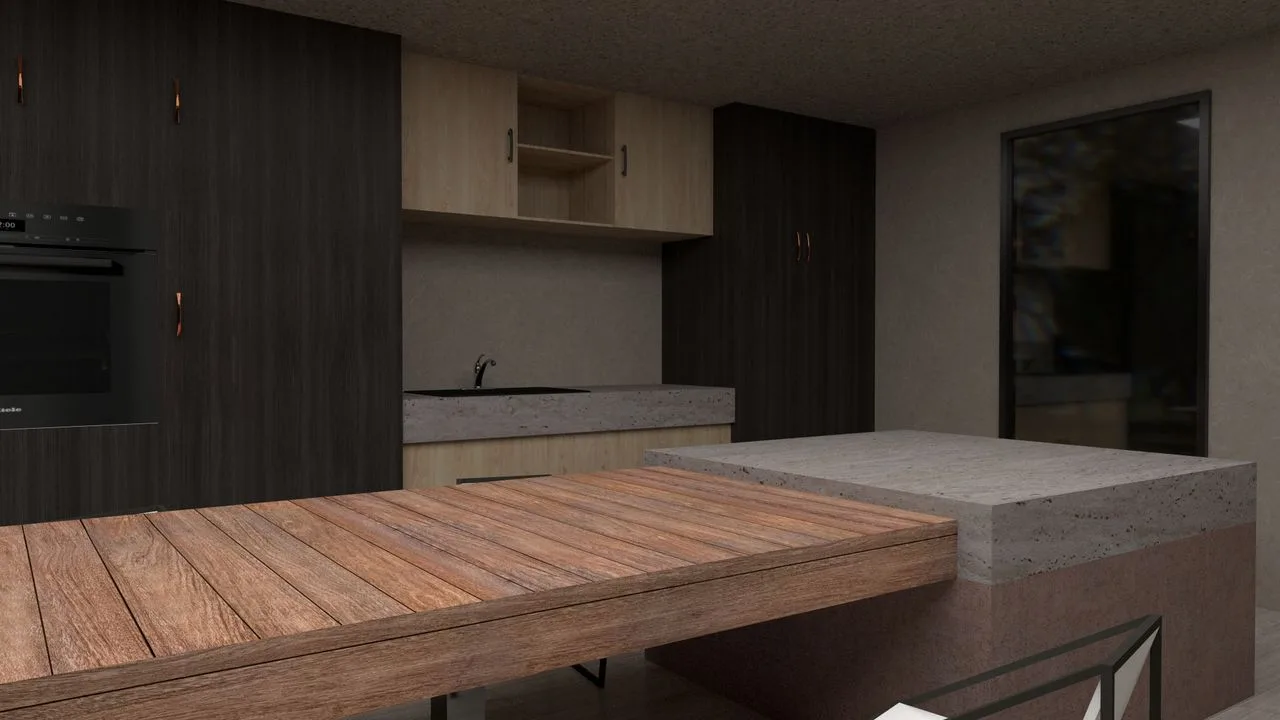
A dark Japandi kitchen is calm, warm and quietly dramatic: charcoal or black-stained cabinets, honed stone, warm wood and soft light, with almost nothing left out on the counters. It suits open-plan homes where the kitchen is always on show, and small kitchens where a dark, seamless finish makes the walls seem to recede.
This guide covers cabinet colors, counters, wood, lighting, storage and styling, plus a budget plan for updating an existing kitchen. For the wider style, see our complete Dark Japandi guide.
What makes a kitchen “Dark Japandi”?
- Flat, simple fronts: slab or very fine shaker doors, no ornate profiles.
- A dark base: charcoal, soft black, smoked oak or deep olive.
- Warm wood for balance: walnut or oak shelves, an island, stools or a wall panel.
- Natural, matte surfaces: honed stone, concrete, limewash and unglazed ceramics.
- Very little on display: a few handmade or useful objects, everything else behind doors.
Cabinet colors that work
| Color | Feel | Pairs well with |
|---|---|---|
| Soft black / charcoal | Dramatic, modern | Walnut, white oak, warm grey stone |
| Black-stained oak | Textured, crafted (wood grain shows through) | Concrete counters, brass or black hardware |
| Deep olive or moss | Earthy, softer than black | Oak, cream plaster, terracotta |
| Espresso brown | Warm and cocooning | Oat-colored walls, honed limestone |
| Smoky blue-grey | Cool and calm | Light oak, white stone with grey veining |
Tip: choose a matte or super-matte finish. It hides fingerprints better than you’d expect and keeps the look soft. Gloss shows every smudge on dark doors.
Counters and backsplash
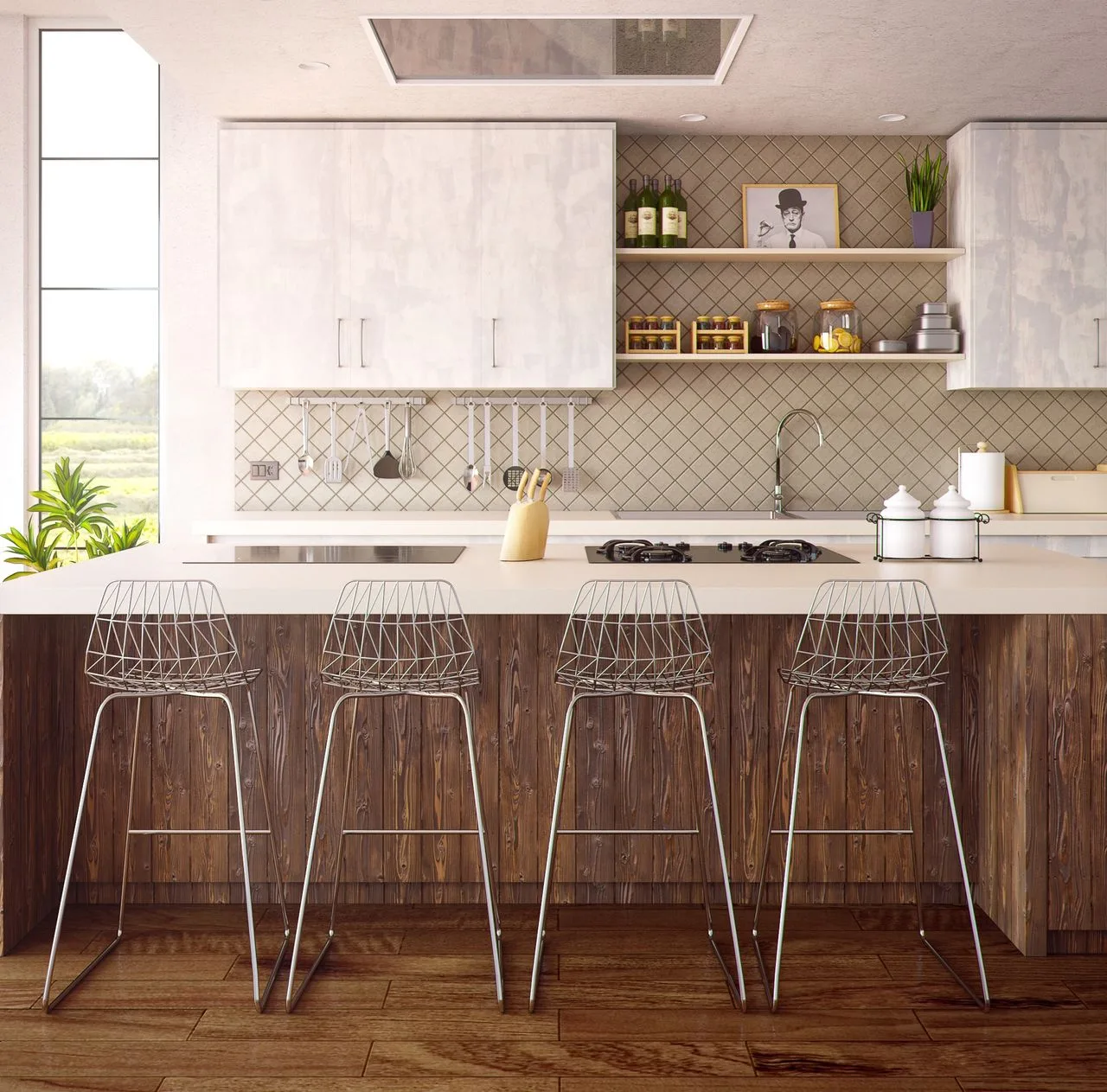
- Honed stone: dark granite, soapstone or slate give a soft, natural finish.
- Concrete or microcement: works well for a hand-made, wabi-sabi feel. Seal it properly against stains.
- Matte quartz: the low-maintenance option; choose one with subtle movement rather than bold veining.
- Light counters on dark cabinets: a warm white or limestone-look top stops a small kitchen feeling heavy.
- Backsplash: run the counter material up the wall, or use handmade zellige-style tiles in charcoal, green or clay with a slightly irregular surface.
Bring in warm wood
An all-black kitchen can feel cold. Wood is what makes it Japandi:
- Open walnut or oak shelves on one wall instead of a full run of upper cabinets.
- A wooden island or breakfast bar against dark base cabinets.
- Slatted wood panels on the island end or a wall.
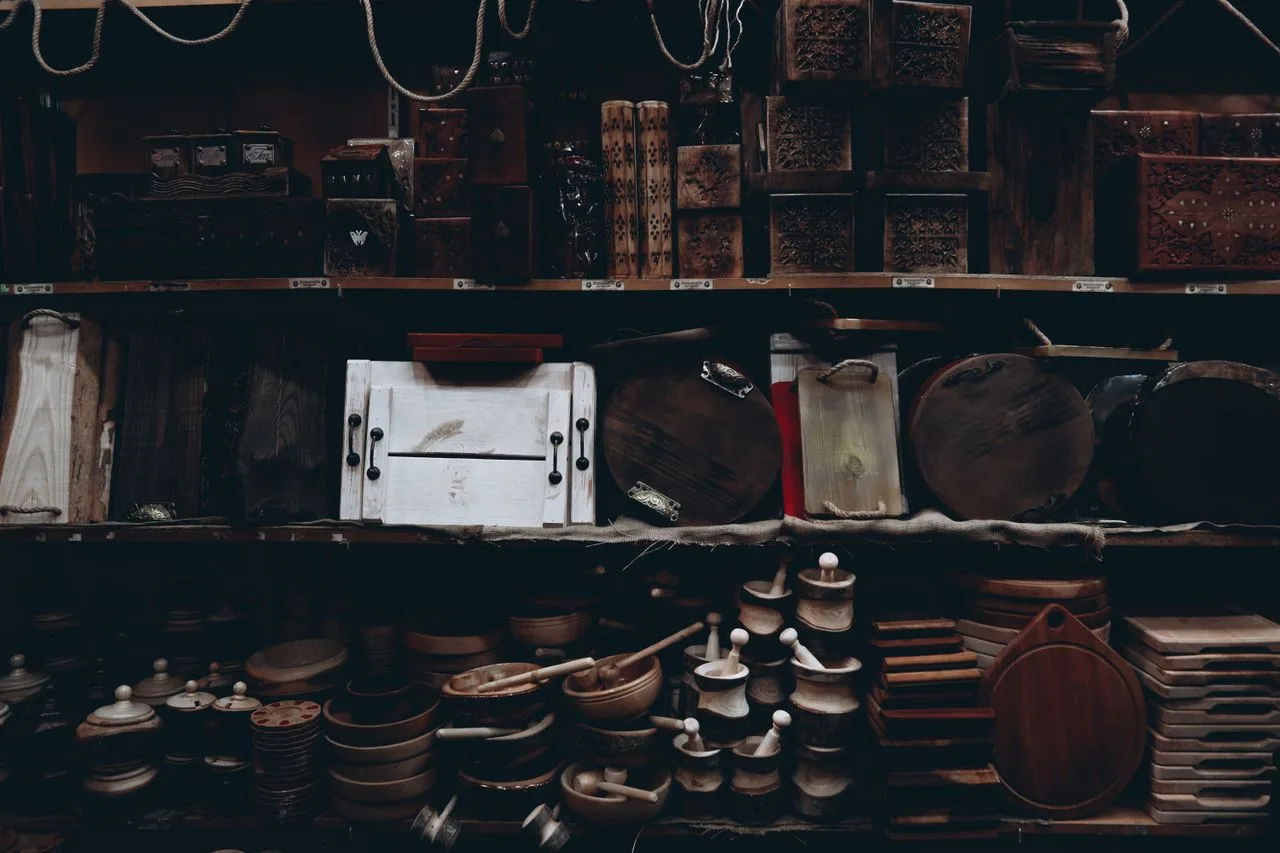
- Simple wooden stools, a large cutting board left out, wooden utensils in a stoneware crock.
Lighting a dark kitchen
- Under-cabinet LEDs are essential with dark cabinets. Choose warm white (2700K–3000K) and a high CRI so food looks natural.
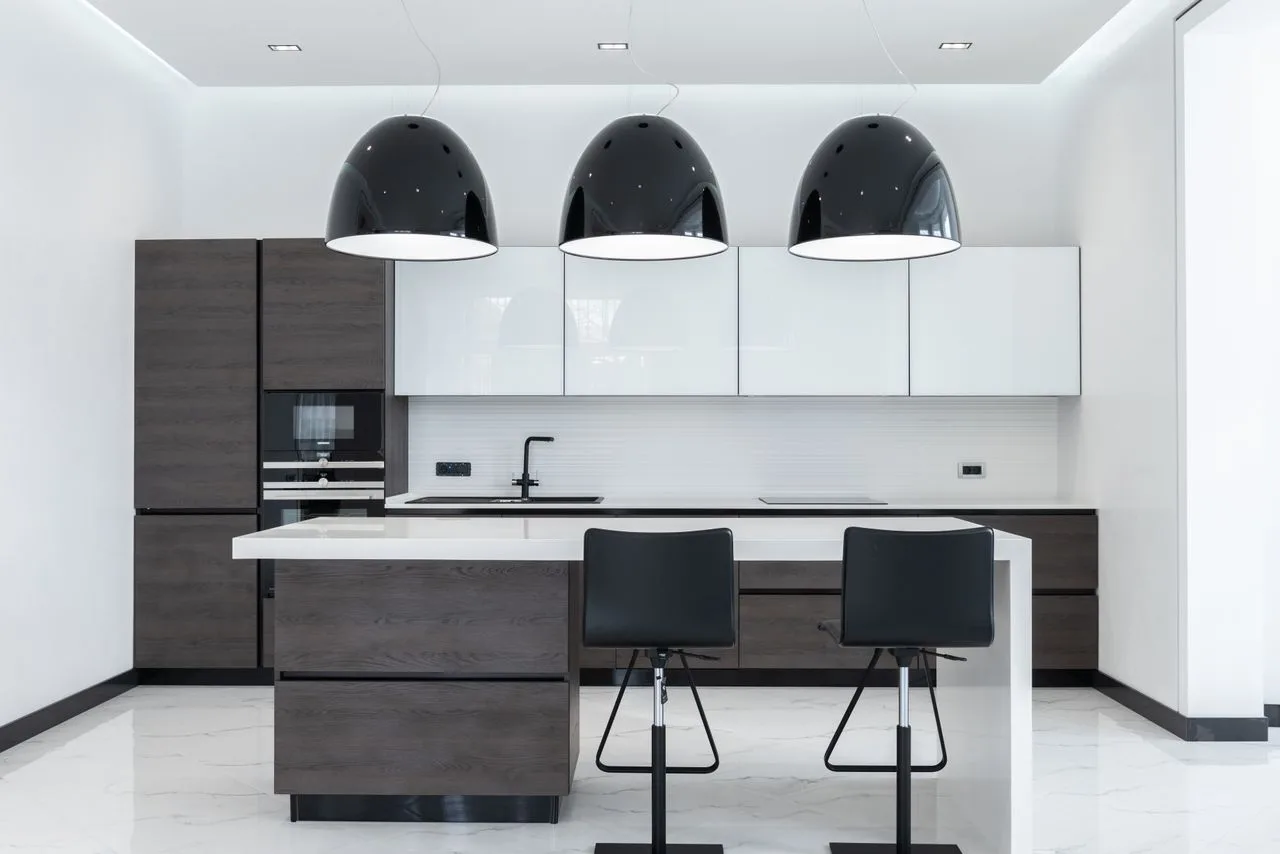
- Pendants over the island in paper, rattan, ceramic or matte black metal.
- Dimmable ceiling lights so the kitchen can go from bright for cooking to soft for dinner.
- Light inside open shelves or a glass-front cabinet adds depth in the evening.
Hardware and fixtures
- Handleless doors with push-latch or finger-pull edges look the cleanest.
- If you use handles, choose slim pulls in matte black, bronze or wood.
- Faucets in matte black, brushed bronze or brushed nickel. Avoid shiny chrome.
- An undermount sink in black composite or stone keeps the counter line uninterrupted.
Storage: the secret to the calm look
Dark Japandi kitchens only look calm when the counters are clear, so plan storage first:
- Tall pantry cabinets with internal drawers for dry goods.
- An appliance garage or cabinet for the toaster, kettle and coffee machine.
- Deep drawers for pots and plates instead of low cupboards.
- Integrated or panel-ready appliances so the fridge and dishwasher disappear.
Styling: what to leave out
Keep three to five things on display and make them earn it:
- A stoneware utensil crock with wooden spoons.
- One large wooden board, leaning against the backsplash.
- A handmade bowl for fruit.
- One plant or a single branch in a vase.
- A linen tea towel in oat, rust or charcoal.
Small kitchen ideas
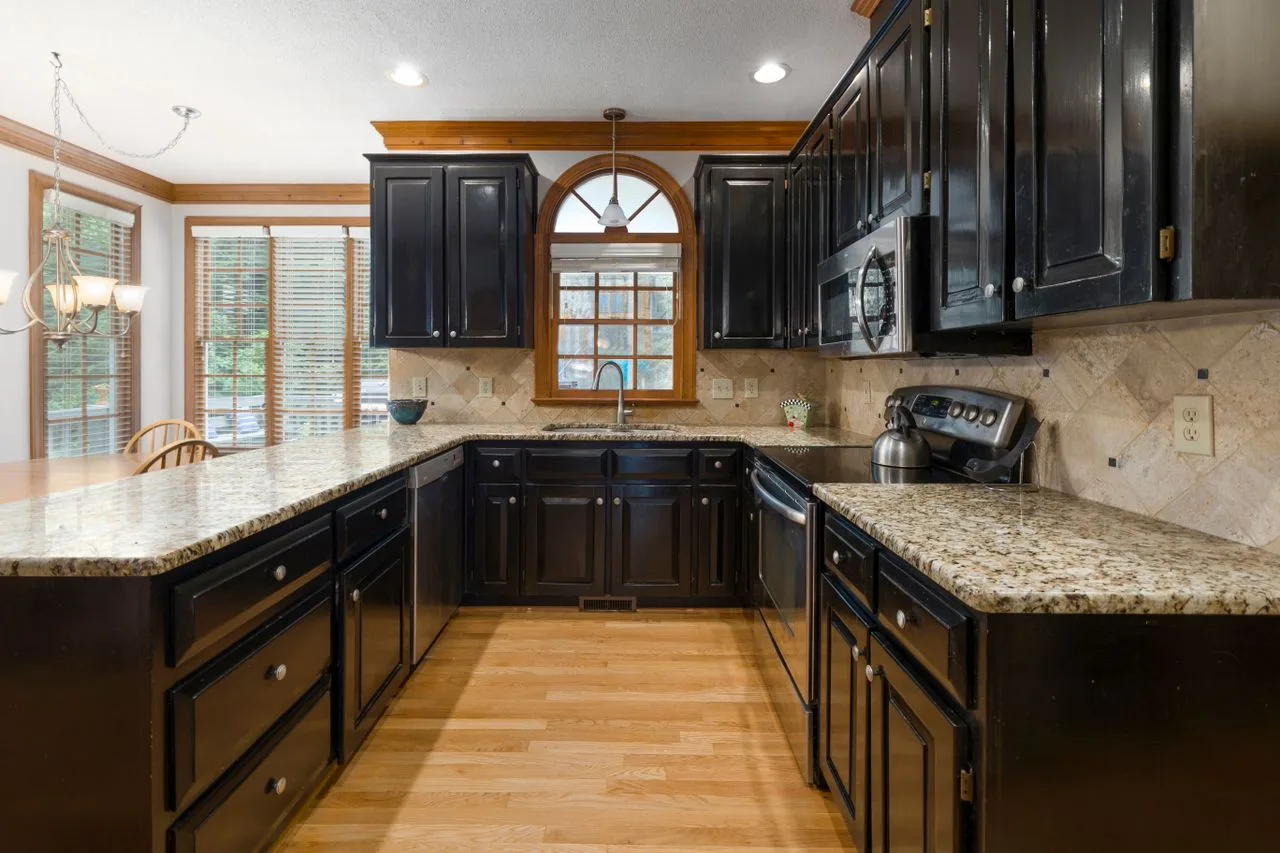
- Use the same dark color on cabinets and walls so edges blur and the room feels bigger.
- Choose a lighter counter and floor to bounce light.
- Swap upper cabinets on one wall for a single wooden shelf.
- Prioritize under-cabinet lighting over decorative pendants.
Dark Japandi kitchen on a budget
| Update | Rough cost | Impact |
|---|---|---|
| Paint existing cabinets with a cabinet-grade matte paint | $100–$300 DIY | High |
| Swap handles for slim black or wood pulls | $50–$200 | Medium |
| Add plug-in or battery under-cabinet LEDs | $40–$120 | High |
| Replace one upper cabinet run with an oak shelf | $60–$200 | High |
| New matte black faucet | $80–$250 | Medium |
| Clear the counters and add 3 styled pieces | $0–$80 | High |
More ways to save are in our economy home decor tips.
Mistakes to avoid
- No wood at all: the room ends up looking industrial rather than Japandi.
- Cool white lighting: it makes charcoal look flat and grey.
- Gloss finishes: they show smudges and reflect harsh glare.
- Too much on the counters: clutter is far more visible against dark surfaces.
- A dark floor, dark cabinets and dark counters together: keep at least one large surface lighter.
FAQs
Are dark kitchen cabinets hard to keep clean?
Matte dark cabinets show fewer fingerprints than gloss, but dust and water marks can show. A quick wipe with a microfiber cloth keeps them looking good.
Does a dark Japandi kitchen work in a small space?
Yes. Using one dark color on cabinets and walls blurs the edges of the room. Pair it with a lighter counter or floor and strong under-cabinet lighting.
What wood goes with black kitchen cabinets?
Walnut gives a rich, warm contrast; white oak gives a lighter, more Scandinavian contrast. Both work well in a Dark Japandi kitchen.
What countertop goes with charcoal cabinets?
Honed soapstone or dark granite for a moody look, or a warm white stone or matte quartz for contrast and brightness.
Planning the rest of the home? Read our guides to the classic Japandi style and tile flooring ideas.