Japandi Style: The Complete Guide to This Timeless Interior Trend in 2026
What exactly is Japandi Style? Japandi style is where Japanese minimalism and Scani diseño stop competing with one another, and instead join forces. It takes cues from Japan, whose quiet restraint and deep respect for real materials it does very well, then layers in the warm toasty cozy practical homes of the Nordic folk.
The term in our space came together as a kind of portmanteau, Japan and Scandi. Together they are probably the most liveable design theory anyone has shown us recently. If you have ever sat in a room, instantly relaxed by its very presence with no idea of where that calmness comes from, it is likely the japandi design principles have conspicuously gone to work behind the scenes.
The Philosophy of Japandi Home Decor
Japandi home decor is built around a couple of very ancient ideas. The first is wabi-sabi, the Japanese appreciation of beauty in imperfection, in the slight wobble of a hand-thrown bowl, in deteriorated wood, in things that look like they have been used and cared for. This one is hygge, the Scandinavian obsession with warmth, comfort and just right feeling at home. Neither of these two ideas is about perfection or impressing anyone. Both are about living well in your home, and this is precisely why japandi interior design has such a different feel from almost everything else out there at the moment.
Living Room Ideas That Actually Work
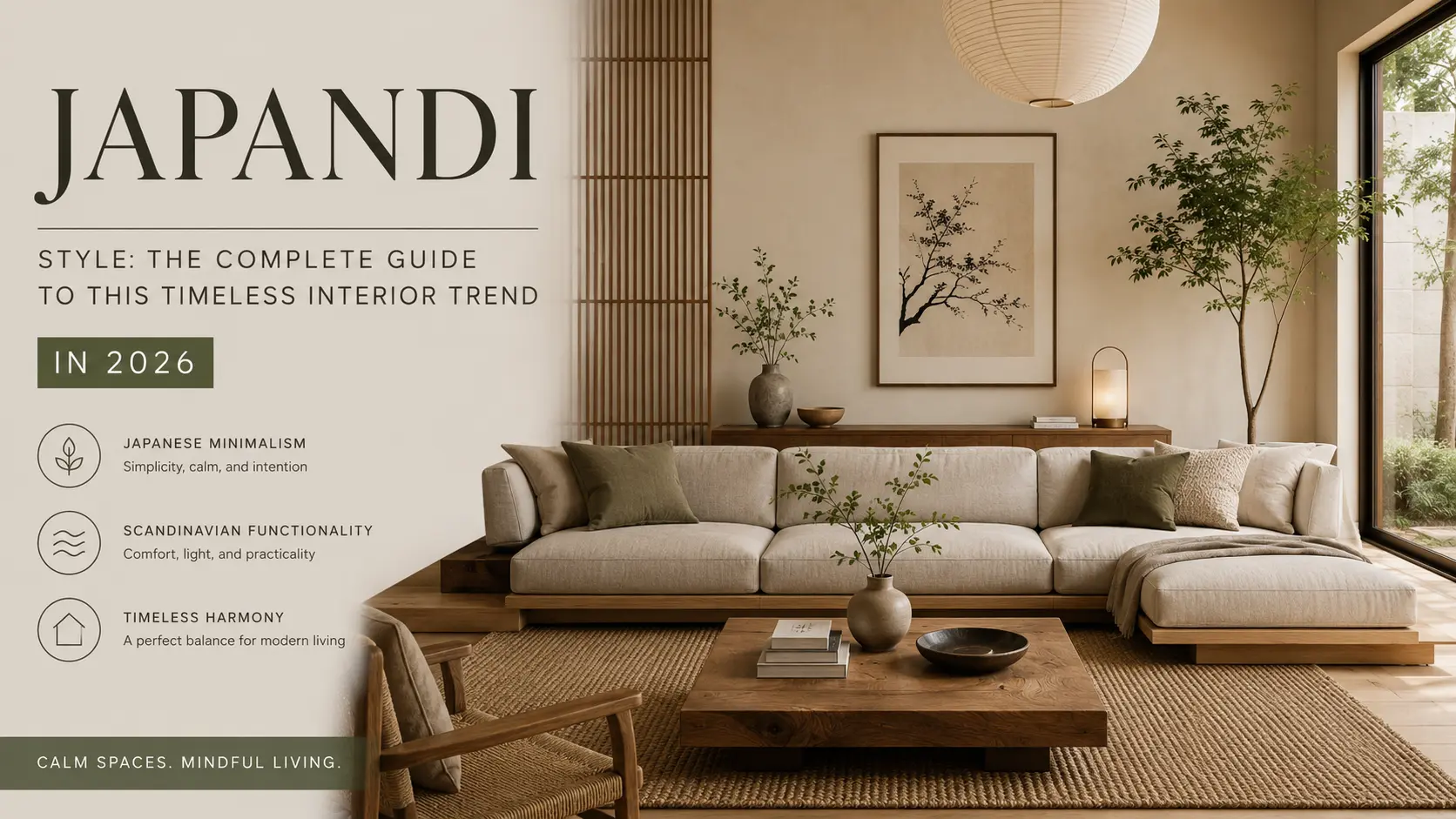
Living room is one area where a japandi style just needs to feel right not be too fussy. All you need to achieve the look is a low linen sofa in warm beige, a natural oak coffee table, jute rug (which can also be hand woven), one ceramic lamp, and one tall indoor plant. The key is restraint. Nothing in the room should be like, it looks ok, it can stay there; eveгything вhould be chosen purposefully rather than thrown уhere just to fill space. The difference between a scrubbed japandi lounge and one that is flat as a pancake in terms of aesthetic thrills, tintrinexture. Classically, bouclé with linen layers, smooth wood against rough stone plane, and a soft natural light to do much of the design work for you.
The Japandi style kitchen calm starts at the countertop
This busy hectic feel is enough to make any kitchen seem incredibly overwhelming, as all the elements are visible in one screen Shoji screens in multipurpose rooms A japandi style kitchen resolves this problem by hiding appliances behind wood paneling and keeping countertops completely clear, using matte stone surfaces instead of the shiny quartz surfaces that covered everything in years past. The signature pairing is pale oak or walnut cabinetry with a darker honed stone countertop. Soft sage green is the other cabinet color of 2026, too, perfect since it has enough muted personality to shake things up without breaking the overall vibe of calm that characterizes this entire style.
Coffee Table in Japandi Style: The One Piece That Connects Everything
Selecting the best japandi style coffee table is more vital than most know since it fastens in the visible heart of the living room and sets many things noticed above and especially what resembling this your sofa does not, and inside apply sends. You want something low and solid, in real wood The best would be oak, walnut, and ash with a matte or raw oil finish. Steer clear of all things shiny lacquer, glass tops or intricate metalwork. Linen-bound book & simple ceramic tray to keep the surface styled + a tiny raku pottery vase for good measure… That is genuinely it. The table should not be like a showroom display shelf to show off to guests.
Japandi Colors: How To Choose The Right Palette For Your Home
Keeping Up Japandi Colors are never for making a statement. About setting the mood. The base for walls and furniture are warm white and greige. Stone gray brings an air of polish to cabinetry and soft goods. For accent walls or ceramic pieces, sage green adds a soft nature-inspired touch. Soft terracotta brings in a touch of earthiness with cushions, throws or pottery. Darker shades such as charcoal, dusky red, deep rust and espresso brown are being layered into the traditional japandi palettes for a more intimate take on the classic aesthetic which designers are already dubbing ‘dark japandi’ in 2026.
Japandi Style Living Room Ideas That Actually Work
There is one rule that Japandi furniture doesn’t break: Each piece has to earn its spot based on aesthetic and function. Nothing ornamental exists for purely ornamental reasons. Low sofas/seating pays regard to Japanese floor-level living customs. Built-in storage hides clutter completely. Pantries with slight organic timber edges; solid wood dining tables; handmade shelving units; and linen upholstered benches are staples of such a universe, By 2026, japandi interiors will set darker woods — like walnut and smoked oak — against lighter finishes, swapping white ash and pale birch that typified previous manifestations of this provincial look for a richer, weightier (and more genuinely ageless) quality.
Japandi Design Small Space or Apartment
One of the best design approaches for small residences happens to be Japandi, but most competitors do not even mention them! Low furniture with a height of about 35 and 40 centimeters in height makes walls seem taller, more ceilings seem higher. Vacant negative space oyfully left empty, as defined by the Japanese word ma seems to soothe away clutter, making compact rooms feel larger. In fact, each piece of furniture features built-in hidden storage to keep the surfaces clear. In fact, the same space would be so much more open and peaceful in a small studio flat done with a japandi style than any other way around because the philosophy is based around removing visual clutter instead of filling every nook.
Japandi vs Minimalism: Not the Same
Many people mistake japandi interior design with stark minimalism and are left demotivated, cold, empty spaces in their room. At its most extreme, the purest minimalism takes everything away and hardly leaves anything at all. Japandi is the branding that keeps warmth, textures and human touch in a room. Instead of a blank shelf, it is handmade ceramics on a shelf. Instead of no throw, it is a linen throw on a chair. Your options is an indoor plant as opposed to a naked nook. Minimalism says less. Japandi says less but warmer. That one distinction alters everything in the way a space really feels.
The 2026 New Direction: Dark Japandi
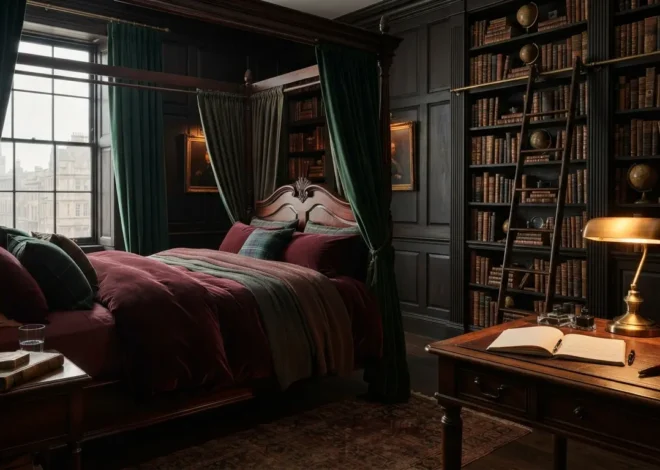
That leaves dark japandi as the most exciting evolution in this design world right now and practically no one is currently writing about it properly. Where pale ash wood and white walls marked the style for decades, dark japandi pairs charcoal walls, walnut furniture, espresso tones, deep rust accents, and matte black door frames for an environment that could almost be called cave-like in the best possible way—a feeling of intimacy and sophistication. This orientation is rooted in the Japanese idea of shadow worship, that seeks to highlight beauty within shadow and contrast rather than flooding every crevice with light. It works particularly well in bedrooms, reading corners, and media rooms where some level of enclosure really feels at home.
How to Start Your Japandi Home Decor Without Spending a Lot
Transforming a home decor theme to japandi does not require any renovation or high budget. Start editing what you have. Getting rid of anything that seems busy, fake looking or visually loud. One wall warmer white/grey. Put a jute or wool rug on top of whatever flooring you currently have. Replace those polyester cushion covers with linen or cotton in subdued hues One live plant + a piece from the local market by hand. These five steps alone will change the feel of a room more than an entirely new furniture set ever could. Japandi Is a Philosophy First, Not a Shopping List
Common Japandi Mistakes to Avoid
The biggest misconception people have is that minimalism equals emptiness. The appeal of a Japandi space is that it does not lack warmth, texture or personality. It always needs to feel warm, not bare. If it looks like nothing lives in your room, you have gone too far. Warm it up with a soft throw, a plant or succulent, a handmade bowl and a lamp in the perfect spot.
One other common mistake is real wood tone over mix. Stay with one or two matching wood finishes in a room Steer clear of glossy surfaces, plastic or synthetic materials, matching furniture sets and basically anything that looks like it was purchased from a mass retailer’s assembly line. Japandi partakes in slow over fast, things acquired not purchased.
Budget-Friendly Japandi Style: Tips & Tricks
One does not have to spend big to get the Japandi style Work with what you already have, and cut, not add. Delete anything that feels like busy work. Use a warm white (or greige) paint on one wall. Add a jute rug for texture. Replace synthetic cushion covers with linen or cotton ones, preferably in pastel colours.
Look out for wooden furniture with clean lines in second hand shops. As for a boring old wooden side table from a charity shop — one good sand down and matt oil treatment later, it’s (literally) Japandi. Instead of store-bought decoration, get a few handmade ceramics from local potters. An actual plant is one of the cheapest ways to do more for a Japandi ambiance than potentially any other single thing you could have.
Final Thoughts
The growing trend of Japandi style makes perfect sense because it s a solution to an actual problem. They want homes that not only look nice but also feel good to actually live in day-to-day. And this style achieves both without requiring you to drop a small fortune or sign up for restrictions that appear to change with every new season. It doesn’t matter if you have to do up a luxary style living room, come up with a beautiful style kitchen or just select a japandi style coffee table the response is always the same. Natural Simple Realpick yours. And your home will feel better for it.
FAQs
Q1. Japandi style is a mixture of Scandinavian lightness and Japanese minimalism. Yes, even actually its one of the better styles for small spaces?
First of all: low furniture makes the room tall, negative space makes it big, the hidden storage keeps everything clean and tidy without compromising function.
Q2. What products are used in japandi interior design?
Solid woods especially in oak and walnut, natural stone, linen, jute, rattan and handmade ceramic materials as well as cotton textiles are prepared for lifeblood as core. Avoid synthetic and shiny materials, as these violate the natural soothing nature this type depends upon.
Q3. I have a cloudy notion of dark japandi and is it for my home?
Aurora Dark japandi is an evolution of the classic aesthetic, relying on charcoal, walnut, espresso brown and deep rust rather than pale wood and white walls. This creates a much moodier, intimate feel and is used beautifully in bedrooms, living rooms, and reading nooks where warmth + enclosure are welcome.